How to Send an Invoice: Email Steps and Best Practices
Learn how to send an invoice via email effectively. Follow our best practices for subject lines, timing, and follow-ups to ensure you get paid on time.
Published · Updated · By ToolNimbly
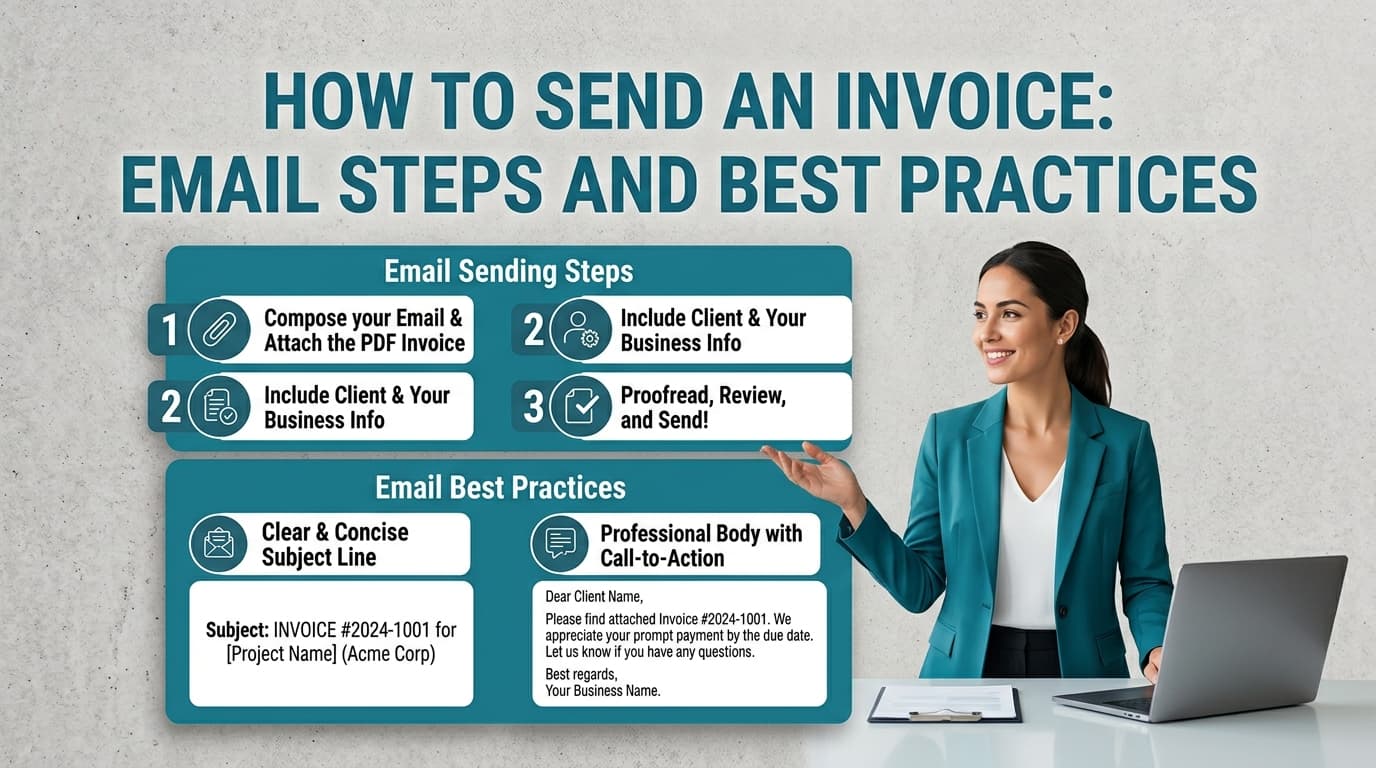
Sending an invoice is a standard business process used to request payment for goods or services provided. While the invoice serves as a record of the transaction, the email used to deliver it acts as the primary communication channel between your business and your client. Establishing a consistent, professional workflow for this delivery can help you maintain organized records and provide your clients with the information they need to process your request.
Understanding how do you send an invoice effectively involves developing a repeatable process. By treating your billing as a structured part of your project workflow, you ensure that your clients receive clear, timely information regarding the work performed and the associated costs.
Preparation: Getting Your Invoice Ready for Delivery
Before you draft your email, ensure the document itself is prepared. The PDF format is widely used for invoices because it is readable across various devices and preserves the document's layout.
A well-structured invoice typically includes:
A unique invoice number for your own tracking purposes.
The date the invoice was issued.
A clear due date for payment.
An itemized list of the goods or services provided.
Your contact information and the client’s billing details.
Clear payment instructions.
If you are looking for a way to organize these details, you can generate your invoice to create, format, preview, print, or download an invoice as a PDF. Using a structured template helps ensure that your document is easy to read and contains the information your client needs to review the request.
Best Practices for Your Invoice Email
When you send an invoice via email, the message should be brief, professional, and focused on the request for payment. The email body serves as a formal cover letter for the attached document.
Crafting Searchable Subject Lines
Your invoice is one of many documents a client may receive. A descriptive subject line helps the recipient identify your email quickly. Include the invoice number, your business name, and the due date. For example: "Invoice #1024 from [Your Business Name] to Due October 15." This approach helps the recipient locate your email in their inbox when they are ready to process payments.
Addressing the Decision-Maker
Whenever possible, send your invoice directly to the person responsible for billing or the project manager who oversaw your work. Addressing the email to a specific individual rather than a generic inbox can help ensure the document reaches the right person.
Keeping the Email Body Concise
Your email should be direct. State the purpose of the message, mention that the invoice is attached, and reiterate the total amount due and the due date. If you provide a link to an online payment portal, include it clearly in the body of the email. Avoid using the email body for long explanations; if the client has questions about the work, they can reach out to you directly.
Timing and Delivery Strategy
The timing of your invoice delivery is a practical consideration for your business operations. Sending the invoice promptly upon the completion of a project or the delivery of goods helps keep your records current.
Some organizations follow specific internal billing cycles. If you are aware of a client’s preferred schedule, you might time your delivery to align with their processing windows. Regardless of the timing, always double-check that the PDF file is attached to your email before you hit send. This simple step prevents unnecessary follow-up communication and helps keep the billing process moving forward.
The Importance of Professional Communication
Your communication style influences your business relationships. A professional and polite tone demonstrates that you are organized and respectful of the client’s time. When drafting your email, focus on providing a clear, helpful request.
Ensure your email signature is professional and includes your contact details. If the client has questions regarding the line items or payment terms, they should be able to contact you easily. Providing clear contact information removes potential barriers to communication and helps facilitate a smooth payment process.
Managing Follow-Ups
A consistent follow-up process is a standard part of managing business billing. It is common practice to check on the status of an invoice if payment has not been received by the due date.
The Proactive Check-In
A few days after sending the invoice, you might send a brief, polite email to confirm that the client received the document. This is a helpful way to ensure there were no technical issues with the delivery and that the invoice reached the correct person.
Handling Overdue Invoices
If the due date passes without payment, send a polite reminder. Keep your tone neutral and professional. State that the invoice is now past due and ask for an update on the status. If the client remains unresponsive, you may need to follow up again or reach out via other communication channels. Maintaining a structured, consistent follow-up schedule is a practical way to manage your outstanding invoices.
Frequently Asked Questions
Should I use a specific tone when emailing an invoice?
Your tone should be professional, neutral, and clear. The goal is to provide a helpful request that makes it easy for the client to review and process your invoice. Avoid overly casual or aggressive language, as a professional tone helps maintain positive business relationships.
What if my client ignores the invoice?
If a client does not respond, do not assume they are refusing to pay. They may have missed the email or encountered an internal delay. Start with a polite, documented reminder. If the silence continues, follow up with a phone call or a more formal written notice. A consistent follow-up schedule is your best defense against forgotten invoices.
Are there legal requirements for invoices in the US?
There is no single federal law that mandates a specific format for invoices in the United States. However, businesses are generally expected to maintain accurate financial records for tax purposes. Because requirements can vary by state or industry, consult with a qualified tax or legal professional to ensure your documentation meets the standards for your specific situation. This information is for educational purposes and does not constitute formal legal or financial advice.
How can I make the payment process easier for my clients?
To improve the efficiency of your billing, offer clear payment instructions. Many clients prefer digital options such as bank transfers or online payment platforms. By including your payment details clearly on the invoice document and within the body of your email, you reduce the effort required for the client to complete the payment. The easier you make it for your client to pay, the more likely you are to receive payment in a timely manner.
What should I include regarding taxes?
Tax treatment and display requirements vary depending on your location and the nature of your business. Because these requirements are not universal, you should check with the relevant tax authority or a professional adviser to determine how to display tax information on your invoices. Do not assume that a specific format is required unless you have verified it with the appropriate local or state agency.
How should I handle invoice numbering?
Using a unique invoice number for each document is a practical bookkeeping choice. It allows you to track your requests and helps your clients reference specific invoices in their own accounting systems. You can choose any numbering system that works for your business, such as sequential numbers (e.g., 1001, 1002) or a system that incorporates dates (e.g., 2023-10-01). The most important factor is consistency, which helps you maintain organized records over time.
Should I include my business license number?
Whether you include a business license number or other identifiers depends on your specific industry and local regulations. Some jurisdictions may require certain disclosures on business documents. If you are unsure about your requirements, consult with a local business authority or a professional adviser to ensure your invoices are prepared correctly for your specific location.
How do I handle partial payments?
If a client makes a partial payment, update your records to reflect the remaining balance. You may choose to send a statement or a revised invoice showing the amount paid and the balance due. Keeping your records updated ensures that both you and your client have an accurate view of the outstanding amount.
What if I need to change an invoice after sending it?
If you discover an error on an invoice that has already been sent, contact the client immediately to explain the situation. You can then issue a corrected invoice with a new number or a clear reference to the original document. Clear communication is key to resolving these issues quickly and maintaining trust with your clients.
Put this into practice
Use the Invoice tool for the calculation, then read What an invoice needs to contain for the supporting explanation.