Plumbing Invoice Template: Guide and Example
Need a professional plumbing invoice template? Learn how to structure labor, materials, and service calls to get paid faster and avoid payment disputes.
Published · Updated · By ToolNimbly
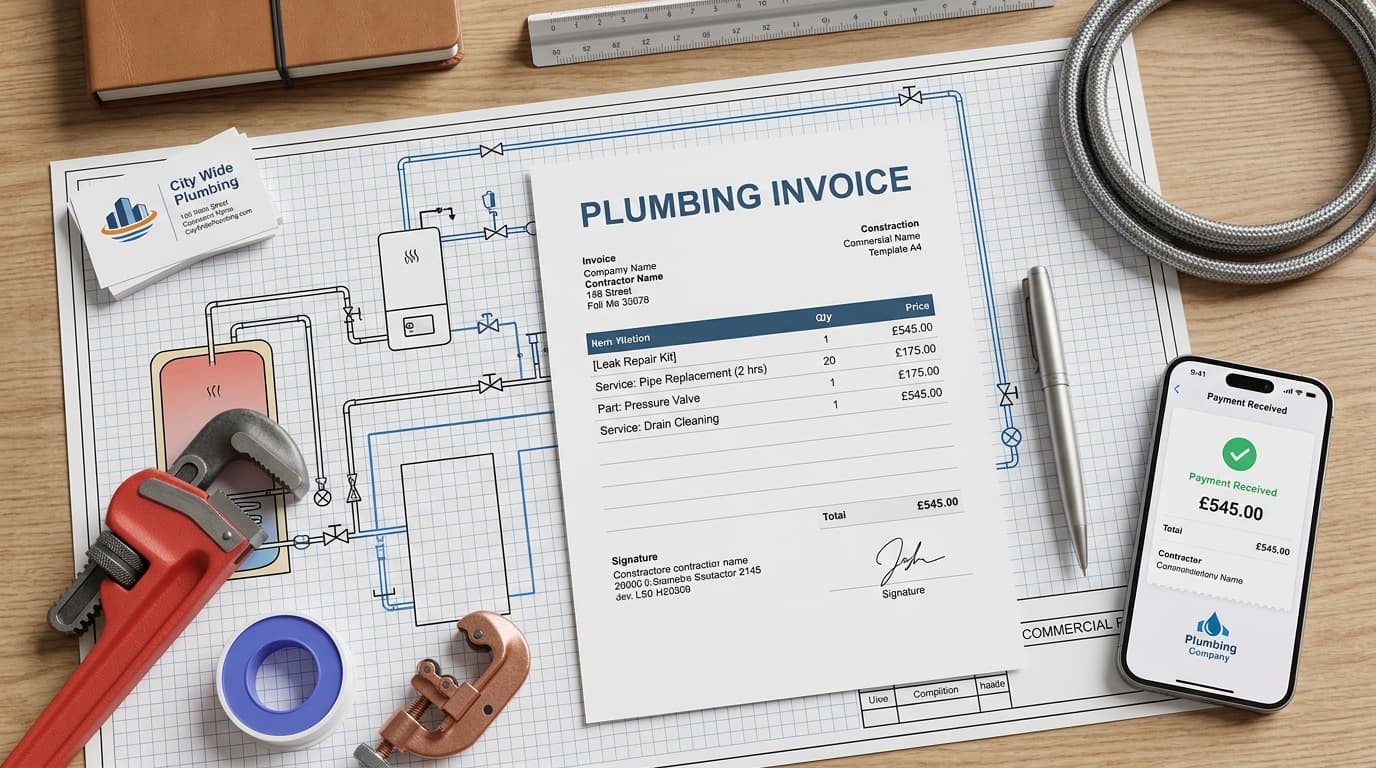
A plumbing invoice is a request for payment and a record of services provided. It serves as a communication touchpoint between a plumbing contractor and a client. When structured clearly, this document helps ensure that both parties have a shared understanding of the work performed and the associated costs. While billing is an administrative task, treating the invoice as a part of your business workflow can help maintain professional standards and support your record-keeping processes.
Why Your Plumbing Invoice Matters
The primary purpose of an invoice is to provide a record of a transaction. When you provide a detailed document, you help the client understand the specific services and materials they are paying for. This clarity can help address questions regarding the final total.
It is helpful to distinguish between an estimate and an invoice. An estimate is a document provided before work begins to outline projected costs. An invoice is issued after services are rendered to request payment. Because the invoice acts as a request for payment, it should be accurate and easy to read.
Components of a Professional Plumbing Invoice
To ensure your paperwork is effective, your plumbing invoice may include several elements. These details provide the client with information and help you maintain organized business records.
Business Header: Include your company name, logo, and contact information.
Unique Identifiers: A unique invoice number and the date the service was completed help you track your records.
Client Details: List the client's name and the service address where the work was performed.
Terms and Conditions: State your payment terms and list your accepted payment methods.
If you need a simple way to format your billing, you can make a plumbing invoice using our web-based tool. This tool allows you to create, format, preview, print, or download an invoice as a PDF. It supports business and client details, line items, payment instructions, and tax calculations. You can also add a logo, which is processed locally on your device. The tool does not store data on a server or require an account, ensuring your information remains on your local device.
Structuring Your Plumbing Invoice for Clarity
A common cause of confusion is a vague invoice. When a client sees a single line item labeled "Plumbing work," they may be more likely to question the total. Instead, break down the job into specific components to provide transparency.
Itemizing Services and Materials
Use your invoice to describe the job clearly. Separate your costs into logical categories:
Service Call/Diagnostic: "Service call and inspection fee: $89.00."
Labor: "Labor for water heater replacement (3 hours at 125/hour):125/hour):375.00."
Materials: "50-gallon gas water heater: $1,180.00."
This level of detail justifies the final cost. If you perform emergency or after-hours work, list this as a separate line item or add a note in the description. This transparency helps the client understand why the rate may differ from a standard weekday service call.
Handling Change Orders
If you encounter unexpected issues during a job, such as corroded pipes that require immediate replacement, document the change as soon as possible. Discuss the new scope of work with the client before proceeding, then add the new items as a separate, clearly labeled section on the invoice. This practice helps ensure that the final bill reflects the work performed and agreed upon.
Common Invoicing Practices
Even experienced professionals can fall into habits that lead to payment delays. Refining your approach will help streamline your accounts receivable process.
Be Specific: Avoid generic terms. Instead of writing "plumbing work," write "Replaced ball valve under kitchen sink." Precision protects you if a client questions the bill later.
Use Clear Labels: If you need to adjust a bill, use the term "Revised" to keep your records clear.
Transparency in Markups: If you charge a markup on parts, state your policy clearly in your terms. Showing parts as separate line items helps maintain trust.
Stating Policies Upfront: If you charge late fees for overdue payments, include this policy on the invoice. Setting expectations early encourages clients to pay on time.
Best Practices for Record Keeping and Disputes
Maintaining organized records is a fundamental aspect of running a plumbing business. Keeping copies of your invoices allows you to track your income and manage your business finances.
How long should I keep my plumbing invoices?It is a standard business practice to retain copies of your invoices for your own record-keeping purposes. Because requirements for record retention can vary based on your location and business structure, consult with a professional to determine the appropriate retention period for your specific business needs.
What should I do if a client disputes a charge on the invoice?First, review your job notes and the original scope of work to ensure the invoice matches the agreement. If you discover an error, issue a revised invoice. If the charges are correct, use your documented scope of work and any written approvals you received during the job to explain the costs to the client professionally.
Are there specific formats for plumbing invoices in the US?There is no single format for all plumbing invoices. You should be aware of state and local requirements regarding contractor licensing, permit fee disclosures, and sales tax. Because these rules vary significantly, check with your local building authority or a business advisor to ensure your documents meet all regional standards.
Improving Your Invoicing Workflow
Transitioning from manual, paper-based billing to a digital format can improve your efficiency. When you use a digital tool to generate your invoices, you can ensure that your documents are consistently formatted and easy to read.
When preparing your invoice, consider the following workflow steps:
Capture Details On-Site: Take notes during the job regarding the specific parts used and the time spent on labor. This prevents you from having to rely on memory when it comes time to bill.
Verify the Scope: Before leaving the job site, confirm with the client that the work is complete and that they understand the final scope.
Use a Consistent Template: Using a consistent layout for your invoices helps clients recognize your brand and understand where to find key information like the total amount due and payment instructions.
Review Before Sending: Always double-check your math and ensure that all line items are clearly described. A quick review can prevent errors.
Maintain a Filing System: Whether you store your invoices digitally or in physical files, keep them organized by date or client name. This makes it easier to retrieve information if a client has a question later.
Communicating Value Through Your Invoice
Your invoice is a reflection of your professionalism. By providing a clean, well-organized document, you demonstrate that you value the client's time and that you are committed to transparency.
When you itemize your services, you are not just listing costs; you are explaining the value of your expertise. For example, a client may not understand the complexity of a pipe repair until they see the specific steps and materials listed on the invoice. By breaking down the job, you help the client see the effort involved in providing a high-quality service.
If you find that clients frequently ask questions about your billing, consider adding a "Notes" section to your invoice. You can use this space to provide brief explanations for specific charges or to thank the client for their business. A small, professional touch can go a long way in building long-term relationships with your customers.
Final Considerations for Plumbing Contractors
As you refine your invoicing process, remember that the goal is to create a document that is helpful for both you and your client. Avoid overcomplicating the invoice with unnecessary jargon. Instead, focus on providing a clear, accurate, and professional summary of the work performed.
If you are unsure about specific requirements in your area, such as how to display your license number or how to handle sales tax, reach out to your local chamber of commerce or a professional business advisor. They can provide guidance tailored to your specific jurisdiction.
By focusing on clarity, accuracy, and professional presentation, you can turn your invoicing process into a reliable tool that supports your business growth and helps you maintain strong relationships with your clients. Whether you are a solo contractor or managing a team, a consistent approach to billing will serve you well in the long run.
Put this into practice
Use the Invoice tool for the calculation, then read What a payment receipt should include for the supporting explanation.