Rental Invoice Template: Guide and Sample
Learn how to create a professional rental invoice. Discover essential components, best practices for record-keeping, and how to simplify your rent collection process.
Published · Updated · By ToolNimbly
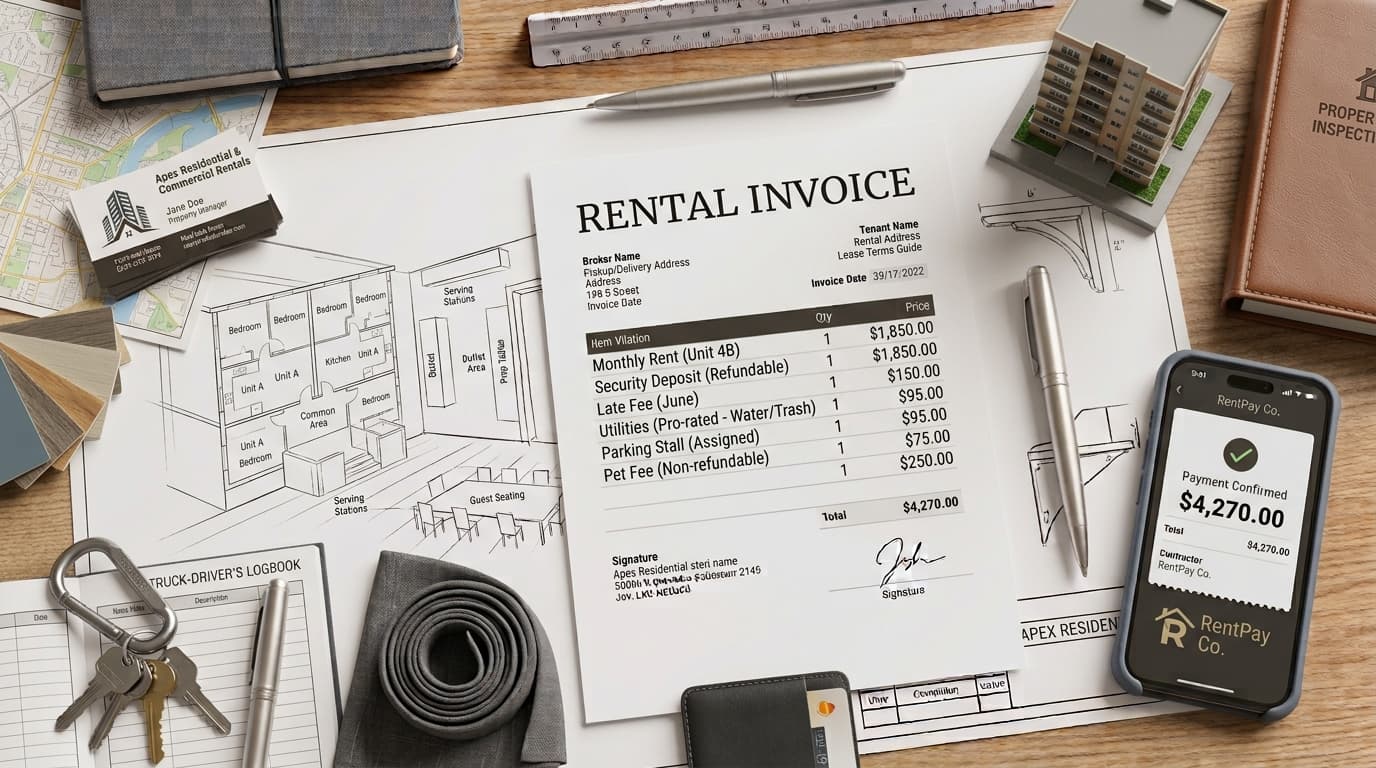
A rental invoice is a formal request for payment issued by a landlord or property manager to a tenant. While many landlords rely on informal verbal agreements or simple calendar reminders, adopting a standardized rent invoice format helps transition property management from a casual arrangement into a structured business operation.
Using a consistent system helps clarify expectations and provides a clear record for financial organization. Whether you manage a single unit or a small portfolio, professional documentation is a practical component of effective property management.
What is a Rental Invoice and Why Does It Matter?
At its core, a rental invoice serves as a communication tool. It outlines the amount owed, what the payment covers, and the date by which it is requested. By sending this document consistently, you reinforce the terms of the lease and provide the tenant with a written reference of their obligations.
There is an operational distinction between an invoice and a receipt. An invoice is a request for payment issued before the deadline. A receipt is a document issued after payment has been successfully processed to confirm that the transaction occurred.
Maintaining a rental invoice template is a practice for several reasons:
Communication: Timely invoices provide tenants with a clear deadline and payment instructions, which helps minimize confusion regarding upcoming rent obligations.
Financial Organization: Maintaining detailed records of all rental income is useful for your own financial tracking. Having a consistent sequence of invoices makes financial organization and record keeping more manageable.
Clarity: If a tenant questions a specific charge, having a documented history of previous invoices provides a record of the charges and the dates they were communicated.
Essential Components of a Professional Rent Invoice
To be effective, your rent invoice should be clear and easy for the tenant to read. A professional rent invoice template often includes the following fields:
1. Header and Tracking InformationClearly label the document as a Rent Invoice. Including a unique invoice number for every request is a common bookkeeping choice. Using a consistent numbering system helps you track payments and ensures you can reference specific months or charges if a question arises later.
2. Identification of PartiesInclude the names and contact information for both the landlord or property management company and the tenant. This ensures there is no ambiguity regarding who is responsible for the payment.
3. Rental Period and DatesExplicitly state the rental period, such as "November 2026 Rent." Include the date the invoice was issued and the date the payment is requested.
4. Itemized ChargesTransparency prevents confusion. Break down the total amount due by category. This might include base monthly rent, utility recharges if applicable under the lease, parking or storage fees, and any outstanding balances from previous periods.
5. Payment TermsState clearly how the tenant should pay. Include accepted methods such as ACH, check, or online portals. If you have specific instructions, such as where to mail a check or which platform to use for digital transfers, list them clearly to avoid payment delays.
How to Create and Send Your Rental Invoice
Consistency is a key element of professional property management. Whether you are using a spreadsheet, a word processor, or a dedicated tool, the process should be straightforward. If you are looking for a reliable way to generate these documents, you can make a rental invoice using our digital tool.
This tool allows you to create, format, preview, print, or download an invoice as a PDF. You can input your business and client details, set an invoice number, define the rental period, and itemize your charges. The tool supports line items, discounts, one document-level tax, and shipping or fees. It calculates line totals, subtotals, and the final balance due using exact decimal arithmetic. You can also add a logo, which is processed locally in your browser. Because the tool requires no signup and stores no data on a server, you maintain control over your information.
Steps to follow for each billing cycle:
Preparation: Gather your lease agreement to confirm the rent amount and any recurring fees.
Generation: Input the data into your chosen template.
Review: Double-check the itemized charges and the total amount due. Ensure the rental period is accurate to avoid confusion.
Delivery: Send the invoice to the tenant before the due date. This provides the tenant with time to process the payment and reinforces your professional standards.
Best Practices for Rental Documentation
When managing rental documentation, keep these best practices in mind to stay organized.
Maintain Separate RecordsAvoid using the same document for an invoice and a receipt. Because they serve different purposes, they should be treated as distinct documents in your accounting cycle. Keeping them separate prevents confusion during your own financial review.
Understand Your JurisdictionRental laws can vary significantly between states and even between municipalities. In some areas, there may be specific requirements regarding how and when you communicate changes in rent or additional fees, or requirements for providing receipts for specific payment types. Always consult with local housing authorities or a qualified professional if you are unsure about specific notice requirements or disclosure obligations in your area.
Focus on AccuracySmall errors, such as a typo in the rental period or an incorrect total, can lead to unnecessary friction with tenants. Take a moment to verify your figures before sending the document. If you find yourself frequently adjusting charges or adding complex fees, consider reviewing your lease agreement to ensure these items are clearly defined and authorized.
Example of an Itemized Rental Invoice
To ensure clarity, your invoice should separate the base rent from any additional fees. Below is a hypothetical example of how to structure these charges:
Base Rent (November 2026): $2,000.00
Parking Fee: $100.00
Utility Recharge: $50.00
Total Amount Due: $2,150.00
By presenting the information in this format, the tenant can see exactly what they are paying for, which reduces the likelihood of follow-up questions or disputes.
Organizing Your Workflow
Beyond the invoice itself, your internal workflow is vital for maintaining a professional operation. Consider the following tips for staying organized:
Standardize Your File Naming: Use a consistent naming convention for your saved PDF files, such as "YYYY-MM-TenantName-Invoice.pdf." This makes searching for past records much faster.
Create a Master Template: Once you have a layout that works for your property, save it as a template. This ensures that your branding, payment instructions, and contact details remain consistent across every invoice you send.
Review Your Lease Regularly: Your invoices should always align with the terms outlined in your signed lease agreement. If you update your lease, ensure your invoice template is updated to reflect those changes.
Keep a Payment Log: While an invoice is a request for payment, you should maintain a separate log or spreadsheet to track when invoices were sent and when payments were received. This helps you identify patterns and manage your cash flow more effectively.
Disclaimer
This article is for educational purposes only and does not constitute legal, tax, or financial advice. Regulations governing rental properties, invoicing, and receipts vary by state and local jurisdiction. Always consult with a qualified professional or your local housing board to ensure your practices comply with all applicable laws.
Put this into practice
Use the Invoice tool for the calculation, then read What an invoice needs to contain for the supporting explanation.